The Stuffies Had Other Plans: Why Feeding Support Requires More Than Good Intentions
I was so proud of myself when I picked up my elementary school kiddos from aftercare.
My 10- and 7-year-olds often bring their favorite stuffies into the van in the morning, strap them into their car seats, and leave them there for the day.
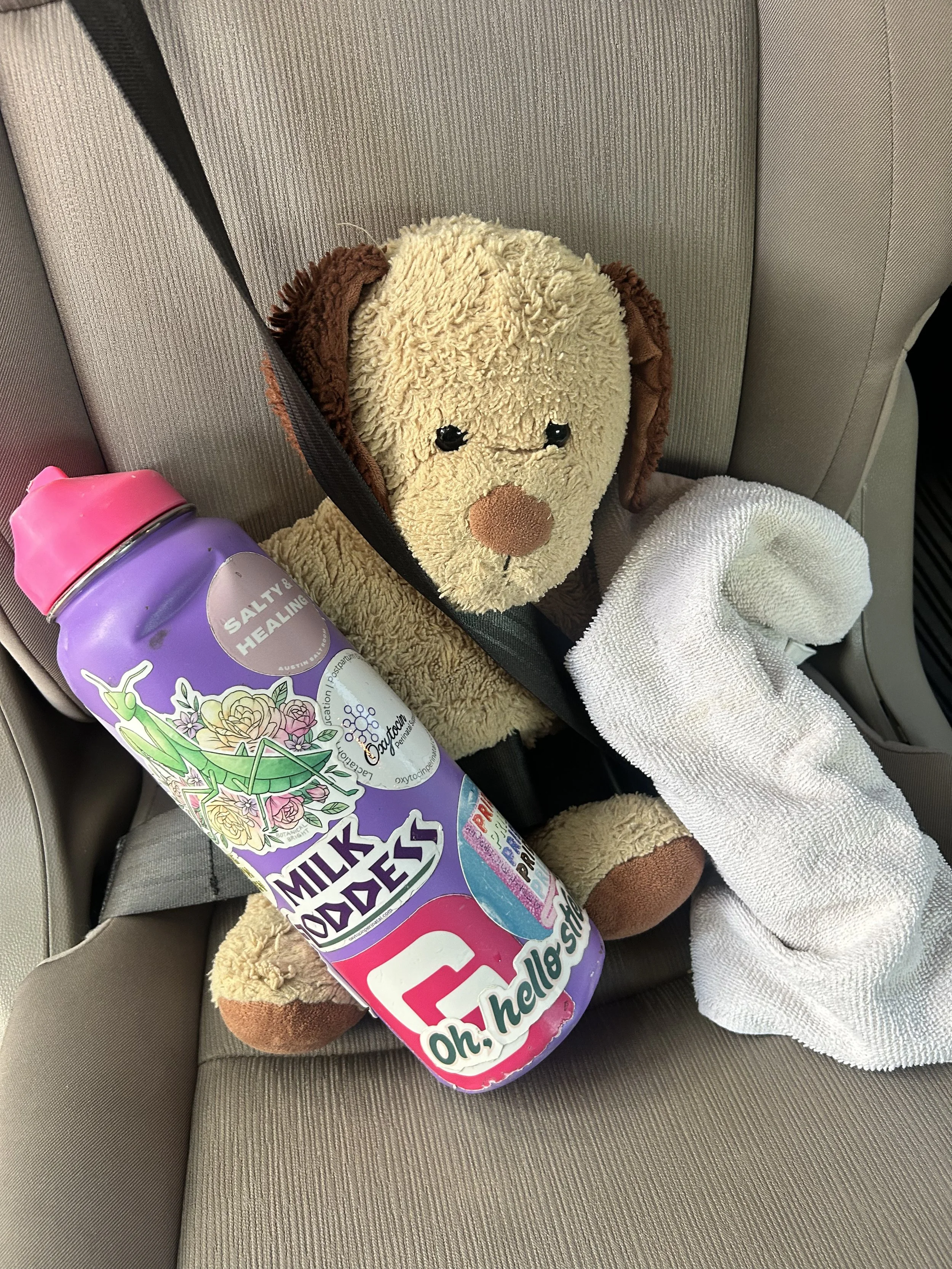
In a strategic “playful parenting” moment, I thought it would be cute to take pictures of the stuffies making mischief and show my kids at pick-up.
We would have a good laugh, and it might ease them through a difficult transition.
You see, school pick-ups and the aftermath can be rough. My children keep it together at school all day, and then they let it ALL out when they get home.
So I thought I was being very clever, pulling out all the stops to help them transition through pick-up, martial arts, showers, and dinner.
It was a huge success.
Until it wasn’t.
At first, the kids thought it would be fun to get out approximately 9,293 stuffies when we got home and create some mischief of their own.
Puppies wearing tennis shoes. Ponies wearing children’s underwear. A line of miscellaneous creatures sitting on the couch reading random science books.
The kids took it to the extreme. Then it was time to clean up.
By the next morning, expectations were even higher. My daughter packed about 17 stuffies to take in the car. I was frustrated, but I rolled with it.
Paprika the Puppy tried to steal my leftover pizza. Baby Lilly came to Pilates class with me. I have photographic evidence.
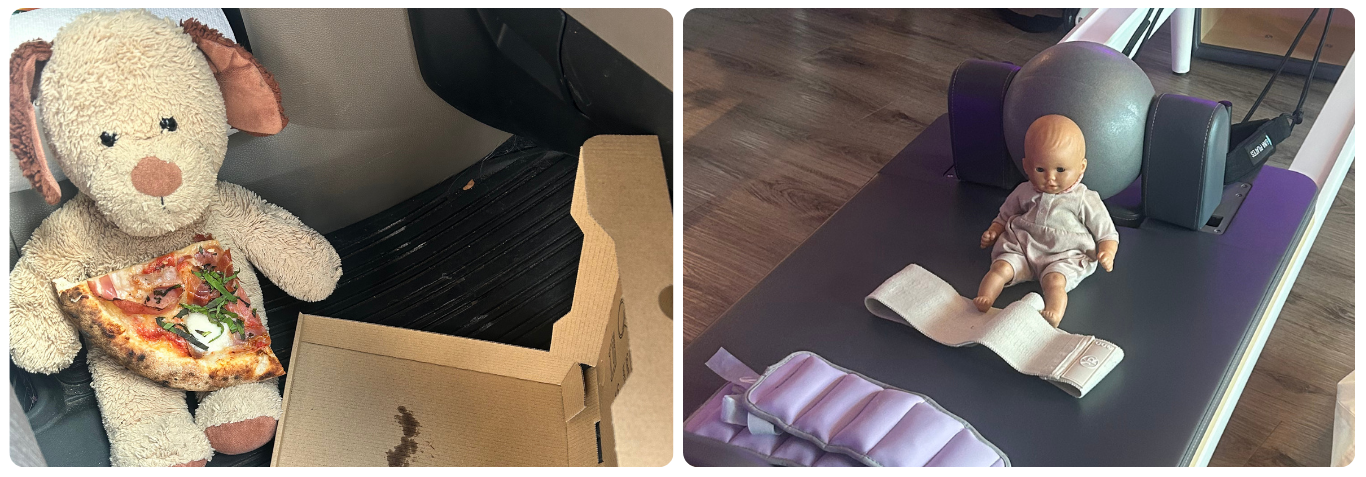
Unfortunately, these shenanigans did not live up to my 7-year-old perfectionist’s very high expectations.
And so: BOOM. Meltdown city.
My youngest melted down. My middle kiddo melted down. Eventually, I had a meltdown of my own.
Good intentions don’t guarantee predictable outcomes
So much of parenting is like this.
We start with good intentions. We gather information (see also: the 548 parenting books I’ve read over the years), make thoughtful plans, and try to anticipate what our children might need.
Sometimes it works beautifully.
And sometimes the stuffies—or the baby, or the feeding plan, or life itself—have other ideas.
The same is true when we support families through infant feeding.
A parent may prepare carefully for breastfeeding, only to have a baby who is premature, sleepy, or struggling to transfer milk effectively. A family may expect feeding to become easier after the first few days, then find themselves navigating pain, supplementation, pumping, slow weight gain, or a triple-feeding plan. A baby who breastfeeds well may later refuse every bottle offered before a parent returns to work.
No amount of preparation can guarantee a particular outcome. That does not make preparation pointless—and it does not mean anyone failed.
It means families need support that can adapt when reality diverges from the plan.
Families need more than reassurance
Compassion matters. Calm matters. Good intentions matter.
But when feeding isn’t going as expected, families also need accurate information and someone who can help them understand what they are seeing.
For birth and postpartum professionals, that means knowing how to:
Distinguish common newborn feeding behavior from signs that warrant closer assessment
Recognize when milk removal may not be effective
Discuss pumping, bottles, supplementation, and milk supply without adding fear or shame
Offer meaningful support while staying within your professional scope
Know when—and where—to refer a family for more specialized care
Consider the parent’s mental health, nervous system, goals, and capacity alongside the feeding plan
The goal is not to control every outcome or have an immediate answer to every question.
The goal is to understand enough to respond thoughtfully, help the family identify a useful next step, and avoid making an already overwhelmed parent feel more frightened or alone.
Knowing the facts is only the beginning
Infant feeding education can easily become a collection of facts: how often newborns feed, how much milk babies take, what a latch should look like, or when milk production typically increases.
Those facts are useful. But real families rarely arrive as tidy textbook examples.
They arrive with complicated birth stories, competing advice, financial and logistical constraints, previous trauma, anxiety, sensory needs, older children, limited sleep, and deeply personal feeding goals.
Professionals need opportunities to practice applying their knowledge to that complexity.
That is why Lactation Essentials for Birth Professionals is built around live discussion, case-based learning, and practical application, not simply information to memorize.
Lactation Essentials for Birth Professionals
LEBP is an eight-week live program for doulas, childbirth educators, postpartum professionals, and others who want to provide more confident, evidence-based infant-feeding support.
We cover prenatal preparation, the early weeks, common feeding problems, pumping and bottles, supplementation, triple feeding, and the intersection of feeding with parental mental health.
Through live calls, case studies, an interactive community, and a library of practical resources, you will learn how to apply what you know to the actual family in front of you, even when feeding does not go according to plan.
You cannot guarantee that a family’s feeding experience will unfold exactly as they hoped.
But you can become the kind of professional who helps them feel informed, supported, and less alone when the stuffies have other plans.
Enrollment is open now.