

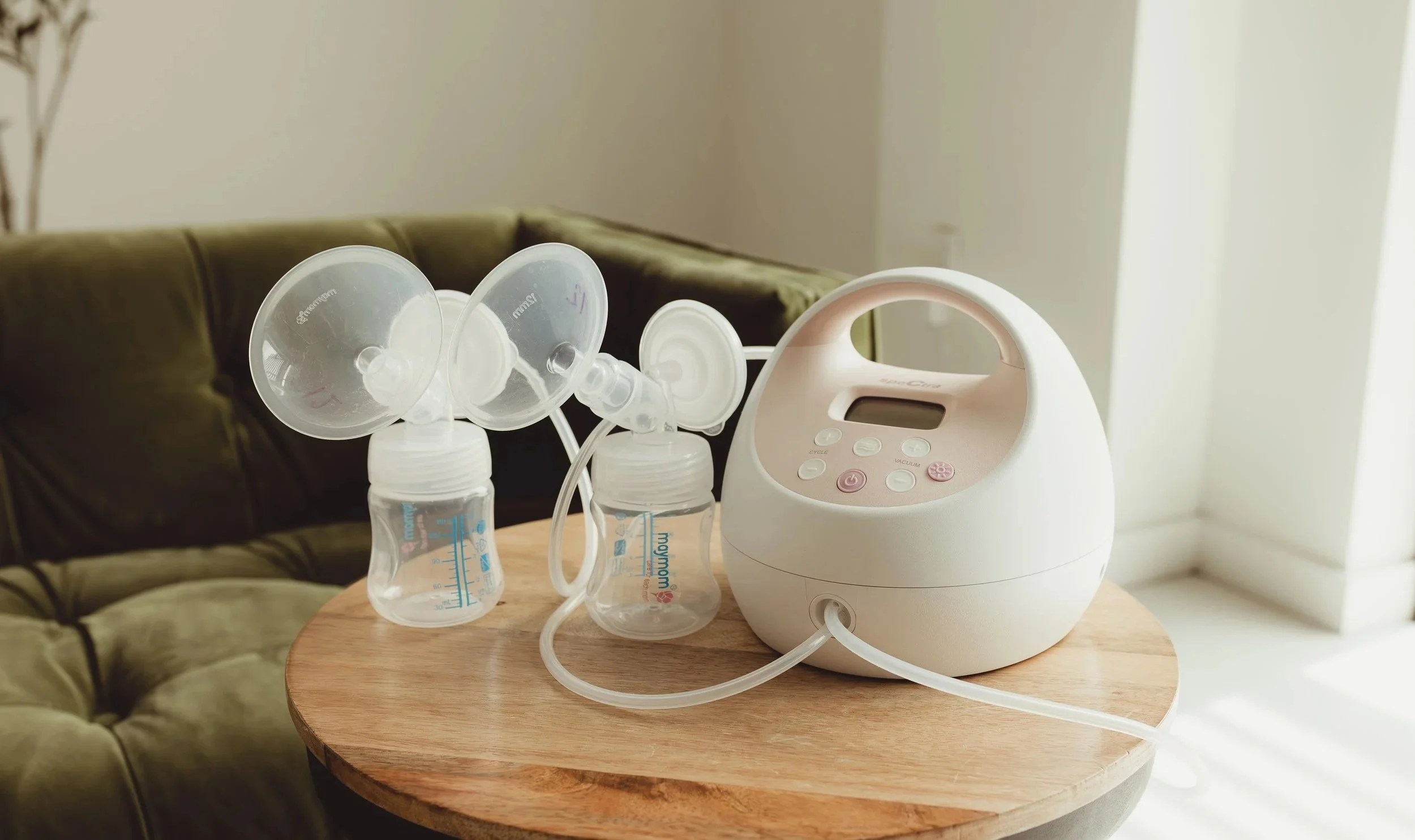
Clinical Mentorship
The Lactation Expert
Lactation Mentorship for IBCLCs, Doulas, and Birth Professionals
For birth and perinatal professionals who want to feel more confident when feeding gets complicated.
Families ask you about feeding all the time. And you want to give thoughtful, evidence-based answers, not just guess, Google, or rely on outdated advice.
Most lactation education gives you the facts. This mentorship teaches you how to think through complex feeding situations, guided by physiology, clinical reasoning, and mental-health-informed, inclusive care.

This is a space where we look at real cases and talk through what’s actually happening, so you can support families with more clarity and confidence.
My approach integrates:
Perinatal mental health

Evidence-based lactation science
Real-world clinical decision-making
Inclusive, identity-affirming support
Scope-of-practice clarity
Because feeding is never just about feeding.
This mentorship is for professionals who support new and growing families, including:
Doulas
Midwives

Mental health therapists
New IBCLCs and student IBCLCs
Nurses
PTs, OTs, and SLPs
Pediatricians and other physicians
Bodyworkers (CST, chiropractors)
Birth educators
-
This is not a lecture series.
This is a space for clinical thinking and case discussion.Inside the mentorship, we:
Talk through real feeding cases
Break down lactation physiology in plain language
Discuss what’s normal, what’s not, and what to do about it
Practice clinical reasoning and professional collaboration
Talk about when to troubleshoot and when to refer out
Discuss complex situations: low supply, nipple pain, weight gain issues, pumping, bottle refusal, mental health, oral ties, and more
Learn how to support families while working in your scope of practice
The goal is simple:
You leave calls understanding not just what to suggest — but why. -
Live Clinical Calls (Weekly)
Wednesdays: 8:30–9:30 AM CT
Fridays: 2:30–3:30 PM CT
Join one call per week, or attend more often when you want more support.
Case Discussions + Clinical Teaching
Calls include special topics, case discussions, physiology review, and Q&A.Private Slack Community
Ask questions, discuss cases, and get support between calls.Ongoing Learning
This is the kind of learning that changes how you practice — not just what you know. -
3-month minimum commitment
After 3 months, you may cancel anytime
Join anytime — no cohort schedule
Small group environment to allow discussion and questions
This mentorship is designed for education, case discussion, and professional development. Participants are responsible for working within their own professional scope of practice. This mentorship does not replace medical care, supervision, or licensure requirements.
If families ask you feeding questions, this mentorship is for you.
Membership Options
Group Clinical Mentorship
$125/month
Weekly clinical mentorship calls

Case discussions
Ongoing clinical education and support
Slack community access
Lactation Essentials for Birth Professionals graduates receive a discounted rate of $100/month.

Private Clinical Mentorship
$325/month
Private mentorship is designed for professionals who want individualized clinical support, help with specific cases, practice guidance, or deeper mentorship as they grow in this field.
Lactation Essentials for Birth Professionals graduates receive a discounted rate of $275/month.
One 60-minute private 1:1 mentorship call each month

Everything in Group Mentorship
Personalized case discussion and clinical guidance
Guidance on building a sustainable perinatal career, including pricing, packages, boundaries, referrals, and preventing burnout in helping professions
Scope-of-practice and referral decision support
Support in building a business and workload that works with your brain and nervous system — not against them
Help with client communication, boundaries, and complex professional situations
Many helping professionals, especially those who are neurodivergent, highly sensitive, or balancing caregiving and work, are building careers in systems that were not designed for their brains or their lives.
Heather Eure, PhD, IBCLC, PMH-C
About Your Mentor

Heather is the founder of The Lactation Expert and has worked with families in homes, clinics, hospitals, and NICUs. Her work integrates lactation physiology, perinatal mental health, and nervous-system-informed, neurodiversity-affirming care to support families in ways that are both clinically sound and emotionally sustainable.
She is known for helping professionals understand not just what to do, but why — combining physiology, clinical experience, and real-world problem solving.
This mentorship is designed to be the kind of learning environment many professionals wish they had when they first started working with new and growing families.

Join the Mentorship
This is an ongoing membership for professionals who want to grow their clinical skills, confidence, and ability to support families thoughtfully and responsibly.
Frequently Asked Questions
-
This mentorship is for professionals who:
Support pregnant or postpartum families
Get asked feeding questions
Want to understand what’s normal and what’s not
Want to know when to troubleshoot and when to refer
Want to understand lactation and feeding physiology
Want to feel more confident supporting families
Want a place to discuss real cases
Want to grow in this field without burning out
Want to build a sustainable career in perinatal work
Members include doulas, midwives, mental health therapists, OTs, PTs, SLPs, bodyworkers, nurses, IBCLCs, and other professionals who support families during pregnancy and postpartum.
-
No. This mentorship is designed for a wide range of perinatal professionals. Many members are doulas, therapists, midwives, and bodyworkers who support families and want to better understand feeding, know what’s normal, and know when to refer to an IBCLC or medical provider. IBCLCs are also welcome, especially those who want a space for case discussion, clinical reasoning, and professional support.
-
No. The mentorship focuses heavily on physiology, what’s normal, what’s not, when to refer, and how to support families while working within your scope of practice. The goal is not to turn non-IBCLCs into IBCLCs — it’s to help you feel more confident and informed in your role supporting families.
-
Yes. Some IBCLCs join for case discussion, clinical reasoning, complex cases, private practice guidance, and professional community. This mentorship is especially helpful for student IBCLCs, newer IBCLCs, IBCLCs transitioning into private practice, or IBCLCs who want ongoing clinical discussion and collaboration.
-
Most lactation education focuses on protocols and information. This mentorship focuses on clinical reasoning, physiology, real-world cases, perinatal mental health, inclusivity, neurodiversity-affirming care, and supporting families in complex, real-life situations.
-
Yes. Members are welcome to bring cases, questions, and clinical scenarios to discuss. Case discussions are a central part of mentorship and one of the most valuable ways to build clinical reasoning skills.
-
Lactation Essentials for Birth Professionals is a structured educational course that teaches foundational knowledge. The Clinical Mentorship is ongoing and focuses on case discussion, clinical reasoning, and continued professional growth.
-
Yes. Non-graduates are welcome to join at the non-graduate membership rate.
-
There is a 3-month minimum commitment. After that, you may cancel anytime.
-
Common topics include low milk supply, nipple pain, pumping, bottle feeding, weight gain concerns, oral ties, combination feeding, mental health and feeding, neurodiversity and feeding, and knowing when to refer.
-
Calls are currently not recorded to protect client privacy and create a space where professionals can discuss cases openly.
-
Not at this time, but the mentorship is designed to provide ongoing clinical education and professional development.
-
Private mentorship can include discussions about private practice, pricing, boundaries, referrals, and building a sustainable career in perinatal work. However, this mentorship is not a business course — it is a clinical and professional mentorship space.
-
Many professionals join mentorship because they want a place to think through cases, talk through challenges, and build a way of working that is sustainable. This mentorship is not just about feeding — it’s about supporting families in a way that is evidence-based, emotionally sustainable, and within your scope of practice.